Menu
  • Home
  • New Patient Center
    • Online Forms
    • Payment Options
    • Pet Selector
    • Veterinary Resources
    • What to Expect
  • About Us
    • Meet our team
    • Petsimonials
  • Pharmacy
  • Services
    • Allergy FAQ
    • Kidney failure in Dogs
    • Kidney Failure in Cats
    • Orthopedic Surgery
    • Wellness Plans
    • Microchip Identification
    • Grooming & Boarding
      • Boarding and Grooming FAQs
      • Pet Boarding FAQs
    • Preventative Care
      • Feline Vaccinations and Testing Schedule
      • Geriatric Care
      • Canine Vaccinations and Testing Schedule
    • Pet Wellness Exam
      • A Pet Owner's Guide to Understanding Wellness E...
    • Advanced Veterinary Services
      • FVRCP Vaccine for Cats
      • Surgery
      • Spay & Neuter
      • Spay & Neuter FAQs
      • Pain Management
      • Endoscopy
      • Dental Care
      • Cat Dental Care
      • Dog Dental Care
      • Pet Dental Care FAQs
      • Reproduction Services
      • Radiology Services
    • Vaccinations
    • Educational Services
    • Aging and Your Pet
    • Pet Ear Care
    • Pet Eye Infections
      • Pet Eye Infection FAQs
    • Pet Seizures
    • Pet Wellness Program
  • Contact Us
    • Appointment Request
    • Emergency
  • Blog
  • Veterinary Topics
Logo

(205) 681-1700

Make an appointment
  • Home >
  • Articles >
  • Pet Health >
  • Chronic Conditions >
  • Cancer

Cancer

  • Created in Pet Health, Chronic Conditions

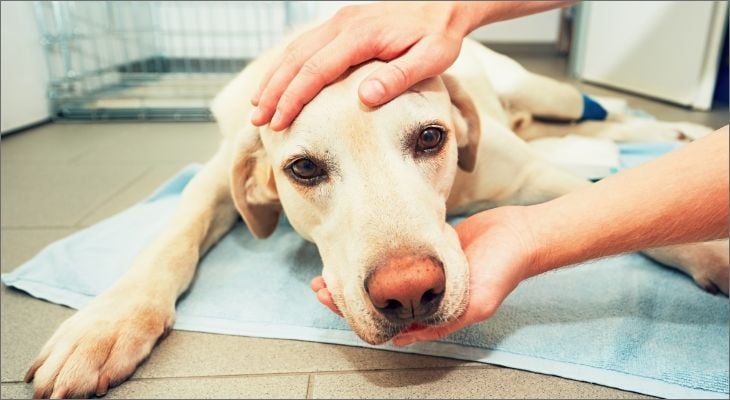
dog with cancer

Cancer, by definition, is the uncontrolled growth of cells. Any type of cells in the body can become cancerous. Once these cells grow out of control, they take over areas previously occupied by normal cells; sometimes these tumor cells break off and travel to other areas of the body. Wherever these cells lodge they can start new tumors. This process continues until there is not enough normal tissue remaining to sustain normal bodily functions. There are a number of factors that influence how fast a cancer may grow or spread: type of cancer cell, location, genetics, as well as any concurrent illness or debilitating condition the patient may have.

While there are many research studies devoted to determining the causes of cancer, a lot about this disease is still unknown. It is evident that factors like genetics; exposure to harmful substances, injury, and advanced age can predispose certain patients to this disease.

Regular physical examinations and thorough medical history review are often key components to detecting cancer. Samples of any abnormal tissue should be evaluated by a pathologist to determine the type of tumor and degree of aggressiveness of the disease. A pathologist's report, along with other imaging such as X-rays, ultrasound, and lab work help establish the patient's health status and determine the optimal treatment plan.

There are many different type of cancer treatment: surgery, chemotherapy, radiation or any combination of these treatments. The important thing is to destroy the abnormal cells without damaging the normal cells. Veterinary oncologists, veterinarians that specialize in the study and treatment of cancer, can be consulted to help determine what treatment would be best for the patient.

Cancer is not always a terminal disease. Early detection and appropriate treatments are important in achieving the best outcome. New advancements in diagnostics and more effective treatments are being discovered all the time.

  • Pet Health
    • Chronic Conditions
    • Digestive and Oral Health
    • Diseases and Viruses
    • Pests and Parasites
    • Orthopedics
  • Today's Veterinarian
  • Choosing Your Pet
    • Finding Your Pet
    • Cats
    • Dogs
    • Exotics
      • Amphibians
      • Birds
      • Reptiles
        • Lizards
        • Turtles
    • Small Mammals
      • Ferrets
      • Rabbits
      • Domesticated Animals
        • Prairie Dogs
      • Pocket Pets
        • Chinchillas
        • Guinea Pigs
        • Hamsters
        • Hedgehogs
        • Rats
    • Livestock
      • Cows
      • Donkeys, Horses & Mules
      • Goats
      • Pigs
      • Poultry
      • Sheep
  • Living With Your Pet
    • Bringing Your Pet Home
    • Children and Pets
    • Providing Care
    • Travel
    • Saying Goodbye
  • Newsletter Library
    • Cats
    • Tips for Pet Owners
    • Behavior & Training
    • Fleas & Parasites
    • Keeping Pets Healthy
    • Recognizing Illness
    • Nutrition & Food
    • Pet Dangers
    • Seasonal Topics
    • Visiting the Vet
    • Equine
    • Newsletter Archive
      • Fun with Pets
      • Unbelievable Pets
  • Video Newsroom
    • Health Topics
    • Technology and Science
    • Other Interests
  • Newsletter Library
  • Client Survey
  • Pets4Kids

Request An Appointment

Error!

    Location

    Find us on the map

    Office Hours

    Walk-ins are welcomed, but will have to wait until appointments scheduled at that time are seen.

    Our Regular Hours

    Monday:

    7:00 am-6:00 pm

    Tuesday:

    7:00 am-6:00 pm

    Wednesday:

    7:00 am-6:00 pm

    Thursday:

    7:00 am-6:00 pm

    Friday:

    7:00 am-6:00 pm

    Saturday:

    7:00 am-12:00 pm

    Sunday:

    Closed

    • Copyright © 2026 MH Sub I, LLC dba iMatrix.
    • Admin Log In
    • Site Map