Menu
  • Home
  • New Patient Center
    • Online Forms
    • Payment Options
    • Pet Selector
    • Veterinary Resources
    • What to Expect
  • About Us
    • Meet our team
    • Petsimonials
  • Pharmacy
  • Services
    • Allergy FAQ
    • Kidney failure in Dogs
    • Kidney Failure in Cats
    • Orthopedic Surgery
    • Wellness Plans
    • Microchip Identification
    • Grooming & Boarding
      • Boarding and Grooming FAQs
      • Pet Boarding FAQs
    • Preventative Care
      • Feline Vaccinations and Testing Schedule
      • Geriatric Care
      • Canine Vaccinations and Testing Schedule
    • Pet Wellness Exam
      • A Pet Owner's Guide to Understanding Wellness E...
    • Advanced Veterinary Services
      • FVRCP Vaccine for Cats
      • Surgery
      • Spay & Neuter
      • Spay & Neuter FAQs
      • Pain Management
      • Endoscopy
      • Dental Care
      • Cat Dental Care
      • Dog Dental Care
      • Pet Dental Care FAQs
      • Reproduction Services
      • Radiology Services
    • Vaccinations
    • Educational Services
    • Aging and Your Pet
    • Pet Ear Care
    • Pet Eye Infections
      • Pet Eye Infection FAQs
    • Pet Seizures
    • Pet Wellness Program
  • Contact Us
    • Appointment Request
    • Emergency
  • Blog
  • Veterinary Topics
Logo

(205) 681-1700

Make an appointment
  • Home >
  • Articles >
  • Newsletter Library >
  • Recognizing Illness >
  • Addison's Disease in Dogs

Addison's Disease in Dogs

  • Created in Newsletter Library, Recognizing Illness
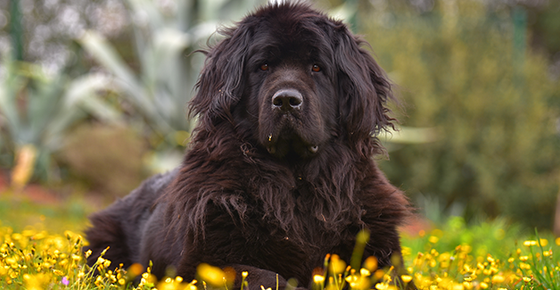
Image of a Newfoundland dog, a breed which has a higher chance of exhibiting Addison's.

Addison's disease is an endocrine disorder where the adrenal glands, near the kidneys, fail to produce enough hormones. This disease is relatively uncommon (approximately one case per 3000 dogs) but it is more common in dogs than humans. It is very rare in cats.

The common symptoms of Addison's are lethargy, occasional vomiting or diarrhea, weakness, low body temperature, low heart rate, and shaking. The symptoms are often vague, may be intermittent, and can be attributed to many other causes. The problem is probably under-diagnosed; the doctor must have a high degree of clinical suspicion. The disease can be fatal if left untreated.

Addison's usually affects young to middle-aged dogs, but can occur in any age. About seventy percent of cases are female. Some breeds are more likely to be affected: Great Danes, Newfoundlands, Portuguese Waterdogs, Rottweilers, German Shepherds, Westies, Wheaten Terriers, Springer Spaniels, but the breeds with the highest rates are Standard Poodles, Leonbergers, and Nova Scotia Duck Tolling Retrievers.

A regular blood profile may have changes that suggest Addison's, especially certain alterations in the electrolytes. The specific test for the disease is an ACTH stimulation blood test. This test involves two blood draws, one before, and one an hour after an injection of a drug named Cortrosyn. Both of these samples are sent to the reference lab, and the results are compared to one another. A normal animal will respond to the Cortrosyn by a big increase compared to the first sample. An Addisonian animal will not have an increase.

Treatment is either with an oral daily drug, Florinef, or an injectable drug, Percorten, that is given every 25 days. Most veterinarians use Percorten now as it provides better, smoother control of the disease, and does not rely on owner memory and compliance every day. A version of the disease called atypical Addison's may need only oral prednisone. Talk to your veterinarian if you have any concerns about your pet's health.

  • Pet Health
    • Chronic Conditions
    • Digestive and Oral Health
    • Diseases and Viruses
    • Pests and Parasites
    • Orthopedics
  • Today's Veterinarian
  • Choosing Your Pet
    • Finding Your Pet
    • Cats
    • Dogs
    • Exotics
      • Amphibians
      • Birds
      • Reptiles
        • Lizards
        • Turtles
    • Small Mammals
      • Ferrets
      • Rabbits
      • Domesticated Animals
        • Prairie Dogs
      • Pocket Pets
        • Chinchillas
        • Guinea Pigs
        • Hamsters
        • Hedgehogs
        • Rats
    • Livestock
      • Cows
      • Donkeys, Horses & Mules
      • Goats
      • Pigs
      • Poultry
      • Sheep
  • Living With Your Pet
    • Bringing Your Pet Home
    • Children and Pets
    • Providing Care
    • Travel
    • Saying Goodbye
  • Newsletter Library
    • Cats
    • Tips for Pet Owners
    • Behavior & Training
    • Fleas & Parasites
    • Keeping Pets Healthy
    • Recognizing Illness
    • Nutrition & Food
    • Pet Dangers
    • Seasonal Topics
    • Visiting the Vet
    • Equine
    • Newsletter Archive
      • Fun with Pets
      • Unbelievable Pets
  • Video Newsroom
    • Health Topics
    • Technology and Science
    • Other Interests
  • Newsletter Library
  • Client Survey
  • Pets4Kids

Request An Appointment

Error!

    Location

    Find us on the map

    Office Hours

    Walk-ins are welcomed, but will have to wait until appointments scheduled at that time are seen.

    Our Regular Hours

    Monday:

    7:00 am-6:00 pm

    Tuesday:

    7:00 am-6:00 pm

    Wednesday:

    7:00 am-6:00 pm

    Thursday:

    7:00 am-6:00 pm

    Friday:

    7:00 am-6:00 pm

    Saturday:

    7:00 am-12:00 pm

    Sunday:

    Closed

    • Copyright © 2026 MH Sub I, LLC dba iMatrix.
    • Admin Log In
    • Site Map