Menu
  • Home
  • New Patient Center
    • Online Forms
    • Payment Options
    • Pet Selector
    • Veterinary Resources
    • What to Expect
  • About Us
    • Meet our team
    • Petsimonials
  • Pharmacy
  • Services
    • Allergy FAQ
    • Kidney failure in Dogs
    • Kidney Failure in Cats
    • Orthopedic Surgery
    • Wellness Plans
    • Microchip Identification
    • Grooming & Boarding
      • Boarding and Grooming FAQs
      • Pet Boarding FAQs
    • Preventative Care
      • Feline Vaccinations and Testing Schedule
      • Geriatric Care
      • Canine Vaccinations and Testing Schedule
    • Pet Wellness Exam
      • A Pet Owner's Guide to Understanding Wellness E...
    • Advanced Veterinary Services
      • FVRCP Vaccine for Cats
      • Surgery
      • Spay & Neuter
      • Spay & Neuter FAQs
      • Pain Management
      • Endoscopy
      • Dental Care
      • Cat Dental Care
      • Dog Dental Care
      • Pet Dental Care FAQs
      • Reproduction Services
      • Radiology Services
    • Vaccinations
    • Educational Services
    • Aging and Your Pet
    • Pet Ear Care
    • Pet Eye Infections
      • Pet Eye Infection FAQs
    • Pet Seizures
    • Pet Wellness Program
  • Contact Us
    • Appointment Request
    • Emergency
  • Blog
  • Veterinary Topics
Logo

(205) 681-1700

Make an appointment
  • Home >
  • Articles >
  • Newsletter Library >
  • Cats >
  • Flea Prevention Is Important for Cats Too!

Flea Prevention Is Important for Cats Too!

  • Created in Newsletter Library, Cats
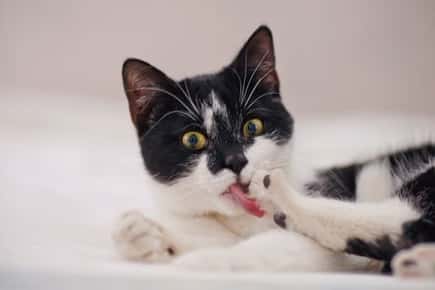
image of a cat.

When most people think of who needs flea prevention, the family dog is at the top of the list, and often cats are forgotten or assumed to be flea free. Dogs are bathed more regularly than cats and when they scratch it’s much more obvious. Cats are very clean creatures; they groom themselves daily and often don’t show as many outward signs of a flea infestation as dogs.

While fleas are annoying and unsanitary; preventing the diseases they spread is a much more important reason for flea prevention for both the cat and for their families. Fleas feed on blood and breed very quickly and effectively. Young kittens are most at risk for developing anemia simply from being fed on by large numbers of fleas. It is important to address flea infestations early in young cats.

Fleas are the intermediate host for tapeworms and when a cat grooms, it ingests fleas and flea feces resulting in infection. The tapeworms develop into adults in the intestines. Tapeworms can cause no symptoms with very mild infestations to severe malnutrition and death with severe cases. Humans can also become infected with tapeworms through the flea.

Haemotrophic mycoplasma is a bacterial disease transmitted during the feeding process of the flea. It infects the red blood cells in cats and stimulates the cat’s own immune system to destroy those red blood cells. Infection can result in a severe and fatal anemia without treatment. Mycoplasma is most common in areas with lots of cats because the fleas transmit it cat to cat, however. Even cats that don’t socialize are at risk.

There are many flea prevention options available from your veterinarian. The most common are topical preparations applied one time monthly, however, there are other options including injections that last for months and oral medications. Some flea prevention kills adult fleas, others prevent fleas from breeding. It is important to discuss your individual cat's options based on his or her lifestyle and needs. It is also important not to use homeopathic/ herbal preparations without first discussing them with your veterinarian.

  • Pet Health
    • Chronic Conditions
    • Digestive and Oral Health
    • Diseases and Viruses
    • Pests and Parasites
    • Orthopedics
  • Today's Veterinarian
  • Choosing Your Pet
    • Finding Your Pet
    • Cats
    • Dogs
    • Exotics
      • Amphibians
      • Birds
      • Reptiles
        • Lizards
        • Turtles
    • Small Mammals
      • Ferrets
      • Rabbits
      • Domesticated Animals
        • Prairie Dogs
      • Pocket Pets
        • Chinchillas
        • Guinea Pigs
        • Hamsters
        • Hedgehogs
        • Rats
    • Livestock
      • Cows
      • Donkeys, Horses & Mules
      • Goats
      • Pigs
      • Poultry
      • Sheep
  • Living With Your Pet
    • Bringing Your Pet Home
    • Children and Pets
    • Providing Care
    • Travel
    • Saying Goodbye
  • Newsletter Library
    • Cats
    • Tips for Pet Owners
    • Behavior & Training
    • Fleas & Parasites
    • Keeping Pets Healthy
    • Recognizing Illness
    • Nutrition & Food
    • Pet Dangers
    • Seasonal Topics
    • Visiting the Vet
    • Equine
    • Newsletter Archive
      • Fun with Pets
      • Unbelievable Pets
  • Video Newsroom
    • Health Topics
    • Technology and Science
    • Other Interests
  • Newsletter Library
  • Client Survey
  • Pets4Kids

Request An Appointment

Error!

    Location

    Find us on the map

    Office Hours

    Walk-ins are welcomed, but will have to wait until appointments scheduled at that time are seen.

    Our Regular Hours

    Monday:

    7:00 am-6:00 pm

    Tuesday:

    7:00 am-6:00 pm

    Wednesday:

    7:00 am-6:00 pm

    Thursday:

    7:00 am-6:00 pm

    Friday:

    7:00 am-6:00 pm

    Saturday:

    7:00 am-12:00 pm

    Sunday:

    Closed

    • Copyright © 2026 MH Sub I, LLC dba iMatrix.
    • Admin Log In
    • Site Map