Menu
  • Home
  • New Patient Center
    • Online Forms
    • Payment Options
    • Pet Selector
    • Veterinary Resources
    • What to Expect
  • About Us
    • Meet our team
    • Petsimonials
  • Pharmacy
  • Services
    • Allergy FAQ
    • Kidney failure in Dogs
    • Kidney Failure in Cats
    • Orthopedic Surgery
    • Wellness Plans
    • Microchip Identification
    • Grooming & Boarding
      • Boarding and Grooming FAQs
      • Pet Boarding FAQs
    • Preventative Care
      • Feline Vaccinations and Testing Schedule
      • Geriatric Care
      • Canine Vaccinations and Testing Schedule
    • Pet Wellness Exam
      • A Pet Owner's Guide to Understanding Wellness E...
    • Advanced Veterinary Services
      • FVRCP Vaccine for Cats
      • Surgery
      • Spay & Neuter
      • Spay & Neuter FAQs
      • Pain Management
      • Endoscopy
      • Dental Care
      • Cat Dental Care
      • Dog Dental Care
      • Pet Dental Care FAQs
      • Reproduction Services
      • Radiology Services
    • Vaccinations
    • Educational Services
    • Aging and Your Pet
    • Pet Ear Care
    • Pet Eye Infections
      • Pet Eye Infection FAQs
    • Pet Seizures
    • Pet Wellness Program
  • Contact Us
    • Appointment Request
    • Emergency
  • Blog
  • Veterinary Topics
Logo

(205) 681-1700

Make an appointment
  • Home >
  • Articles >
  • Newsletter Library >
  • Cats >
  • Litter Box Problems

Litter Box Problems

  • Created in Newsletter Library, Cats
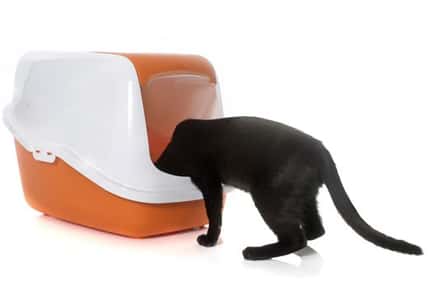
image of a cat and litter box.

One of the most common complaints that cat owners make is that a cat will not use its litter box properly. Usually it is a problem with the cat urinating outside the box, but occasionally a cat will be defecating outside the box, or a cat may not want to use his litter box at all!
First the cat should be examined by a veterinarian to check for a medical problem, such as a urinary tract infection. Sometimes there are behavior problems, especially in multiple cat households, that can lead to the frustrating scenario of cleaning pee and poop off your carpet! But, there are things that cat owners may do unwittingly that lead to or exacerbate this problem. You don't want to give them a reason not to use the box!

Things you can do to help ensure your cat uses the litter box:

1. Have one more litter box than you have cats. If you have one cat, you should have two litter boxes. If you have three cats, you should have four litter boxes.
2. Do not locate all the litter boxes in one area. Put them in different rooms. One cat may dominate one room and not allow the other cats to use the boxes.
3. Don't put food and water bowls close to the litter boxes. Do you want to eat next to your toilet? Cats are very sensitive to smells.
4. Don't locate the litter boxes next to the washer and dryer where the "boogeyman" may live, or any other areas where loud sounds may emanate. Hearing a scary noise once may make them reluctant to use that area for months.
5. Do not use liners under the litter. Many cats do not like them.
6. Do not use covers over the box. It keeps odors in, just like a portable toilet (PortaPotty). Think what that smells like; you wouldn't want to use it either!
7. Use a litter without deodorizers or scents. Again, cats are sensitive to odors and don't like scented litter. The majority of cats like a clumping litter, but this is a very individual preference.
8. Clean the litter boxes by scooping them at least once, preferably twice, daily. At least once weekly dump the litter, clean the boxes, and refill with new litter. Do not clean the boxes using any cleanser with a strong odor. Cleaning with just hot water and a mild soap is fine.

If your kitty still doesn't want to use his litter box, talk to your veterinarian about behavior modification, and even behavior drugs, that can be used.

  • Pet Health
    • Chronic Conditions
    • Digestive and Oral Health
    • Diseases and Viruses
    • Pests and Parasites
    • Orthopedics
  • Today's Veterinarian
  • Choosing Your Pet
    • Finding Your Pet
    • Cats
    • Dogs
    • Exotics
      • Amphibians
      • Birds
      • Reptiles
        • Lizards
        • Turtles
    • Small Mammals
      • Ferrets
      • Rabbits
      • Domesticated Animals
        • Prairie Dogs
      • Pocket Pets
        • Chinchillas
        • Guinea Pigs
        • Hamsters
        • Hedgehogs
        • Rats
    • Livestock
      • Cows
      • Donkeys, Horses & Mules
      • Goats
      • Pigs
      • Poultry
      • Sheep
  • Living With Your Pet
    • Bringing Your Pet Home
    • Children and Pets
    • Providing Care
    • Travel
    • Saying Goodbye
  • Newsletter Library
    • Cats
    • Tips for Pet Owners
    • Behavior & Training
    • Fleas & Parasites
    • Keeping Pets Healthy
    • Recognizing Illness
    • Nutrition & Food
    • Pet Dangers
    • Seasonal Topics
    • Visiting the Vet
    • Equine
    • Newsletter Archive
      • Fun with Pets
      • Unbelievable Pets
  • Video Newsroom
    • Health Topics
    • Technology and Science
    • Other Interests
  • Newsletter Library
  • Client Survey
  • Pets4Kids

Request An Appointment

Error!

    Location

    Find us on the map

    Office Hours

    Walk-ins are welcomed, but will have to wait until appointments scheduled at that time are seen.

    Our Regular Hours

    Monday:

    7:00 am-6:00 pm

    Tuesday:

    7:00 am-6:00 pm

    Wednesday:

    7:00 am-6:00 pm

    Thursday:

    7:00 am-6:00 pm

    Friday:

    7:00 am-6:00 pm

    Saturday:

    7:00 am-12:00 pm

    Sunday:

    Closed

    • Copyright © 2026 MH Sub I, LLC dba iMatrix.
    • Admin Log In
    • Site Map