
Has Your Dog Gained Weight? A Thyroid Problem Could Be to Blame
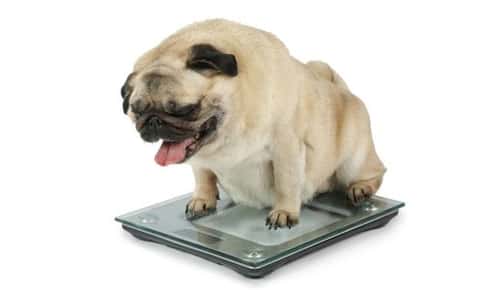
Chubby pets may look cute but even a few extra pounds can increase your dog's chances of developing diabetes, arthritis, heart disease, and other health conditions. Gaining weight isn't always due to overeating, but can be a sign of a thyroid condition. The risk of thyroid problems increases as your dog ages and is more common in certain breeds.
Determining the Cause of Your Pet's Weight Gain
Like most pets, your dog probably has no difficulty letting you know that he or she is hungry. No matter how hard you try, it can be difficult to resist those pleading eyes or ignore the empty food bowl dropped at your feet.
An occasional snack between meals probably won't change your pet's weight, but too many snacks and treats can have a detrimental effect. You may not be giving your pet between-meal snacks, but what about other family members? When the whole family slips a treat to the pet, obesity can be an unfortunate consequence.
Keep in mind that nutritional requirements change as your pet ages. Adults dogs don't need to consume as many calories as growing puppies, and less active senior dogs need even fewer calories. If you continue to feed your adult dog puppy food or fill your senior dog's bowl with food meant for a younger dog, the numbers on the scale may increase even though your pet isn't overeating.
If no one is giving your pet extra food, and you're offering the right type of food for your pet's age, a thyroid problem could be responsible for your dog's weight gain.
What Type of Thyroid Disease Causes Weight Gain in Dogs?
Weight gain can be a sign that your dog has hypothyroidism, a condition that occurs due to decreased production of thyroid hormones. These hormones regulate important bodily functions, including metabolism, heart rate, brain development, temperature, breathing, cholesterol levels, and muscle strength.
Hypothyroidism affects metabolism by slowing the rate that your pet burns calories. Your dog may gain weight despite no changes in food or eating habits. In addition to weight gain, other symptoms of hypothyroidism may include:
- Poor Stamina
- Fatigue and Lethargy
- Decreased Appetite
- Shedding
- Dull Coat
- Hair Thinning or Loss
- Ear or Skin Infections
- Drooping Facial Muscles
- Intolerance to Cold Temperatures
- Thickened Skin or Skin Pigment Changes
- Goiter (a swelling on your dog's neck due to thyroid enlargement)
Age and size can be factors in hypothyroidism. The condition usually affects middle-aged or older dogs and occurs more often in large and medium dogs. Irish Setters, Doberman Pinschers, Golden Retrievers, Airedale Terriers, Cocker Spaniels, and Dachshunds are at higher risk of developing hypothyroidism, according to the American Kennel Club.
In some cases, hypothyroidism can be caused by cancer. Fortunately, thyroid cancer isn't common in dogs.
How is Hypothyroidism in Dogs Treated?
Your pet's veterinarian will consider your dog's symptoms and the results of blood tests when making a diagnosis. If your furry friend is diagnosed with hypothyroidism, he or she will need to take an oral hormone replacement medication every day and receive regular blood tests to monitor thyroid hormone levels. Hormone replacement therapy is very effective and will allow your dog to live a normal life.
Are you concerned about your dog's weight? We treat hypothyroidism and other health issues that cause weight gain and can also provide weight loss suggestions and advice. Contact us to schedule your pet's appointment.
Sources:
Washington State University: Hypothyroidism in Dogs
https://www.vetmed.wsu.edu/outreach/Pet-Health-Topics/categories/diseases/hypothyroidism-in-dogs
WebMD: Why Is My Dog Gaining Weight?
https://pets.webmd.com/dogs/dog-gaining-weight#1
American Kennel Club: Thyroid Disease in Dogs
https://www.akc.org/expert-advice/health/thyroid-disease-in-dogs/