Menu
  • Home
  • New Patient Center
    • Online Forms
    • Payment Options
    • Pet Selector
    • Veterinary Resources
    • What to Expect
  • About Us
    • Meet our team
    • Petsimonials
  • Pharmacy
  • Services
    • Allergy FAQ
    • Kidney failure in Dogs
    • Kidney Failure in Cats
    • Orthopedic Surgery
    • Wellness Plans
    • Microchip Identification
    • Grooming & Boarding
      • Boarding and Grooming FAQs
      • Pet Boarding FAQs
    • Preventative Care
      • Feline Vaccinations and Testing Schedule
      • Geriatric Care
      • Canine Vaccinations and Testing Schedule
    • Pet Wellness Exam
      • A Pet Owner's Guide to Understanding Wellness E...
    • Advanced Veterinary Services
      • FVRCP Vaccine for Cats
      • Surgery
      • Spay & Neuter
      • Spay & Neuter FAQs
      • Pain Management
      • Endoscopy
      • Dental Care
      • Cat Dental Care
      • Dog Dental Care
      • Pet Dental Care FAQs
      • Reproduction Services
      • Radiology Services
    • Vaccinations
    • Educational Services
    • Aging and Your Pet
    • Pet Ear Care
    • Pet Eye Infections
      • Pet Eye Infection FAQs
    • Pet Seizures
    • Pet Wellness Program
  • Contact Us
    • Appointment Request
    • Emergency
  • Blog
  • Veterinary Topics
Logo

(205) 681-1700

Make an appointment
  • Home >
  • Articles >
  • Choosing Your Pet >
  • Small Mammals >
  • Domesticated Animals >
  • Domestic Pigs

Domestic Pigs

  • Created in Choosing Your Pet, Small Mammals, Domesticated Animals, Domestic Pigs, Choosing Your Pet, Small Mammals

pet pig

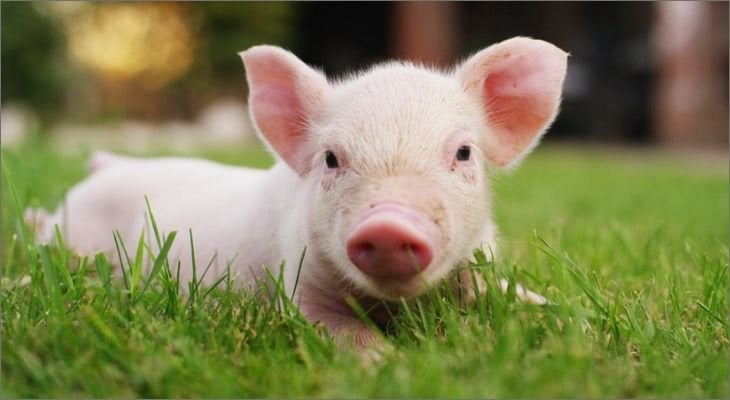
Pigs are great for families who want a relatively exotic but easy to care for a pet. Whether miniature, like a pot-bellied pig, or a full-sized animal, caring for a pig is similar to caring for a cat or dog.

Health

Domestic pigs need to see a veterinarian regularly for vaccinations and checkups. We recommend starting vaccinations between four and six weeks of age.

Pigs are very sensitive to temperatures. They can suffer from heatstroke without proper shade and ventilation. If your pet spends most of its time outdoors, make sure it has a piggy box, a three-sided box with a low roof. During colder months, add straw or blankets where your pig can nestle.

Pigs must have an adequate supply of freshwater as they can develop salt toxicity very quickly. If you find the pig without water, give your pet small amounts to drink every 30 minutes over a four-to-six-hour period.

Training

Pigs are intelligent and learn quickly. Once they learn something, they rarely forget it. So, if you chose to keep your pig inside, it can be house trained in the same manner as a dog or cat. If you choose to use a litter box, make sure it is easily accessible to the animal. We recommend using treats and praise to encourage preferred behavior. It may also help to know that pigs prefer to use the same location all the time.

Care

Believe it or not, pigs don't need to be bathed as often as dogs. They don't shed like a dog or cat, but they lose their hair once a year. This usually occurs in the spring and is usually over in a week's time. You will need to trim your pig’s hooves several times a year or allow your veterinary team to handle the task.

If you choose to keep pigs in a pen, make sure there's enough space. Each animal should have at least eight feet of square footage. You may want to increase the space during hot weather. A friendly reminder from your veterinary team: pigs don't reach their full size until they're around 4 years old.

Feeding

Contrary to popular opinion, you can't feed a pig table scraps. Pigs need a nutritious diet of commercially produced pig pellets. Avoid sugar or processed foods; instead, give your pig high-fiber fresh fruits and veggies as a treat. If your pig grazes a lot outdoors, you may want to reduce the amount of feed he or she receives.

  • Pet Health
    • Chronic Conditions
    • Digestive and Oral Health
    • Diseases and Viruses
    • Pests and Parasites
    • Orthopedics
  • Today's Veterinarian
  • Choosing Your Pet
    • Finding Your Pet
    • Cats
    • Dogs
    • Exotics
      • Amphibians
      • Birds
      • Reptiles
        • Lizards
        • Turtles
    • Small Mammals
      • Ferrets
      • Rabbits
      • Domesticated Animals
        • Prairie Dogs
      • Pocket Pets
        • Chinchillas
        • Guinea Pigs
        • Hamsters
        • Hedgehogs
        • Rats
    • Livestock
      • Cows
      • Donkeys, Horses & Mules
      • Goats
      • Pigs
      • Poultry
      • Sheep
  • Living With Your Pet
    • Bringing Your Pet Home
    • Children and Pets
    • Providing Care
    • Travel
    • Saying Goodbye
  • Newsletter Library
    • Cats
    • Tips for Pet Owners
    • Behavior & Training
    • Fleas & Parasites
    • Keeping Pets Healthy
    • Recognizing Illness
    • Nutrition & Food
    • Pet Dangers
    • Seasonal Topics
    • Visiting the Vet
    • Equine
    • Newsletter Archive
      • Fun with Pets
      • Unbelievable Pets
  • Video Newsroom
    • Health Topics
    • Technology and Science
    • Other Interests
  • Newsletter Library
  • Client Survey
  • Pets4Kids

Request An Appointment

Error!

    Location

    Find us on the map

    Office Hours

    Walk-ins are welcomed, but will have to wait until appointments scheduled at that time are seen.

    Our Regular Hours

    Monday:

    7:00 am-6:00 pm

    Tuesday:

    7:00 am-6:00 pm

    Wednesday:

    7:00 am-6:00 pm

    Thursday:

    7:00 am-6:00 pm

    Friday:

    7:00 am-6:00 pm

    Saturday:

    7:00 am-12:00 pm

    Sunday:

    Closed

    • Copyright © 2026 MH Sub I, LLC dba iMatrix.
    • Admin Log In
    • Site Map